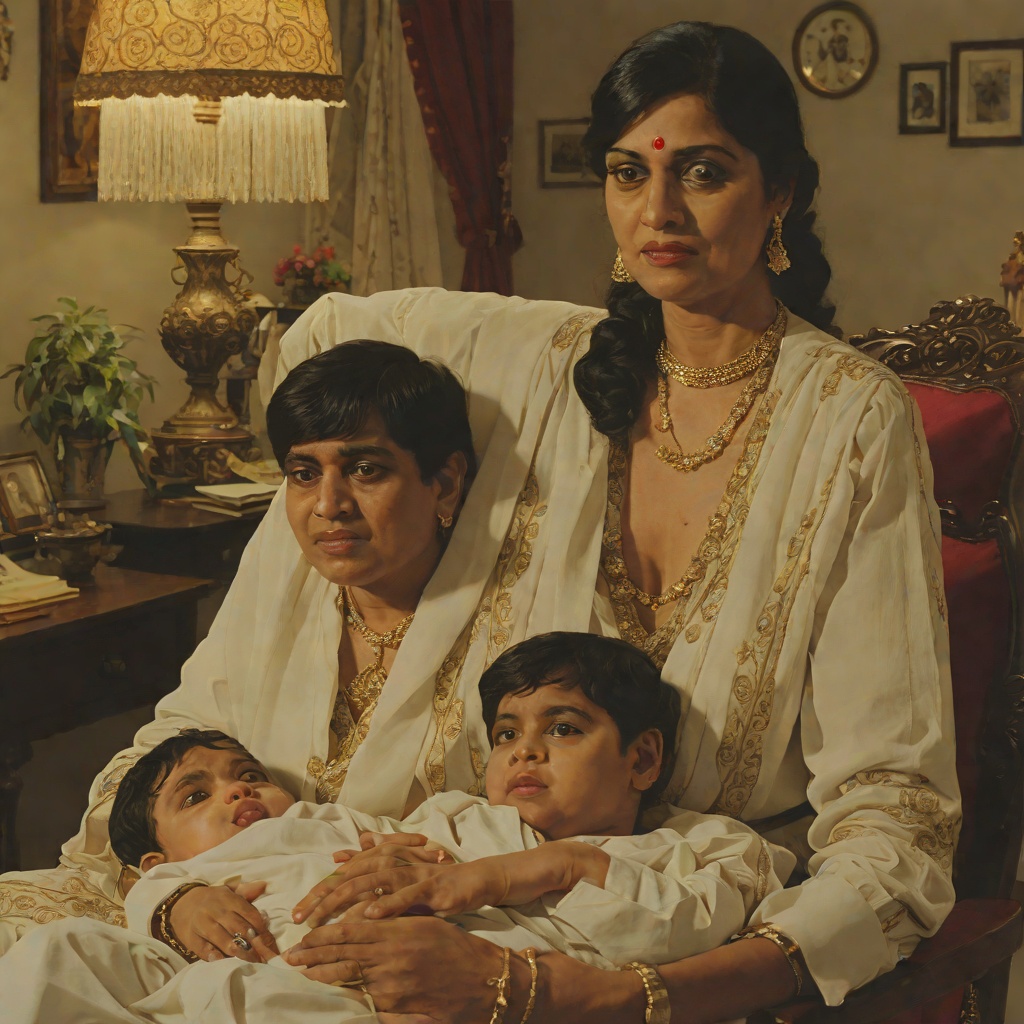
Mussafir Khana
Mafia Queens of MumbaiMussafir Khana, a lane of cramped tenements near the Dongri junction in Mumbai, is fixed in the book's geography as the paternal home of Dawood Ibrahim, the man who would rise to command the D-Company. In the years before his ascent, this modest quarter was the staging ground for his first criminal steps, the site of family negotiations that shaped the city's gangland politics, and, later, the deliberate vantage point from which a grieving widow plotted his destruction. More than a residence, Mussafir Khana operates as a symbolic threshold where the private world of the Kaskar household meets the violent public logic of the Mumbai underworld.
Location and Setting
Mussafir Khana sits near the Dongri junction, a neighborhood that was once part of the original island of Mumbai, stretching from Malabar Hill to the Dongri hills. In the mid-1700s, the hills were levelled to merge the city's seven islands, and the low-lying patch of uneven land between Crawford Market in the north and the reclaimed lands of Kamathipura in the south came to be called Dongri. By the late twentieth century, Dongri was a dense, predominantly Muslim area, choc-a-block with rickety old buildings and falling partially below the gigantic JJ Flyover. The lane itself, Hujjrah Mohalla, which housed small-time goons and was popular for its clothing stores selling readymade garments for women and children, was barely a few metres away from Mussafir Khana. Until around 7 p.m. the lane bustled with commercial activity; after 8, the shopkeepers wrapped up for the day and it became a den for goondas who gambled, plotted robberies, pick-pocketing schemes, or talked politics and religion.
Dawood's Early Criminal World
In his twenties, Dawood Ibrahim was just another wannabe gangster trying to make it big in the underworld. A resident of Mussafir Khana, he indulged in petty extortion along with his brother Sabir, working hard to get the attention of the mafia bigwigs. Often, in order to evade the police, he was forced to go into hiding. The lane was thus the cradle of his ambition, the place from which he launched his bid for recognition and where he returned to escape the law. It was also the site of his father's anxious vigil. When trouble came for Dawood, his father, Ibrahim Kaskar, sat on the single bed at the end of the room with his hand on his head, tense, angry, and yet carrying an air of fragility because of his age. The atmosphere in the room was solemn when Jenabai Daaruwali entered, having made an unexpected visit to Mussafir Khana after hearing about Dawood's troubles.
The Matriarch's Intervention
Jenabai Daaruwali's visit to Mussafir Khana was a pivotal act of mediation. She addressed Ibrahim Kaskar with respect, asking after Dawood and whether he had come home. Her influence over the family was considerable; she had earlier assured Haji Mastan that she would handle the Ibrahim brothers, declaring that Dawood and Sabir were like her sons and would not refuse if she spoke to them. This maternal authority, exercised within the cramped domestic space of Mussafir Khana, was a crucial instrument in the efforts to forge a united gang. The lane thus became the setting for a negotiation that would help shape the alliances and enmities of the Mumbai underworld, with Jenabai acting as the bridge between the Kaskar household and the larger criminal networks of the city.
A Widow's Reckoning
Mussafir Khana's significance deepened when Sapna, the widow of Mehmood Khan, deliberately moved to a small house in Hujjrah Mohalla in Nagpada, barely a few metres away from Dawood's paternal home. Her reason was strategic: she had housed herself close to her enemy's den so that she could be alerted to any movement. Shifting base closer to the serpent was a bold and risky decision, one that the book's narrator admits he would not have considered. The proximity of her residence to Mussafir Khana turned the lane into a theater of surveillance and impending violence. On the night in 1994 when Sapna was down with high fever and asked her men to leave her alone, a red Maruti van drove into the bustling lane, and four men stepped out with daggers and pistols, forcing their way into her building. The lane, which had been alive with commercial noise, seemed to take a collective breath and stiffen as the attack unfolded, marking Mussafir Khana as the epicenter of a personal vendetta that had escalated into a gangland execution.
Narrative Significance
Mussafir Khana is more than a geographical reference; it is a narrative device that concentrates the book's central tensions. It is the domestic origin of Dawood's power, the site of Jenabai's peacemaking, and the vantage point for Sapna's revenge. The lane's transformation from a bustling commercial street by day to a den of goondas by night mirrors the duality of the underworld itself, where ordinary life and lethal violence coexist within a few metres. By anchoring these key moments in this single location, the book uses Mussafir Khana to illustrate how the most intimate spaces of family life were entangled with the most brutal operations of organized crime, and how the women of the underworld navigated, mediated, and challenged the power that emanated from this unremarkable lane.